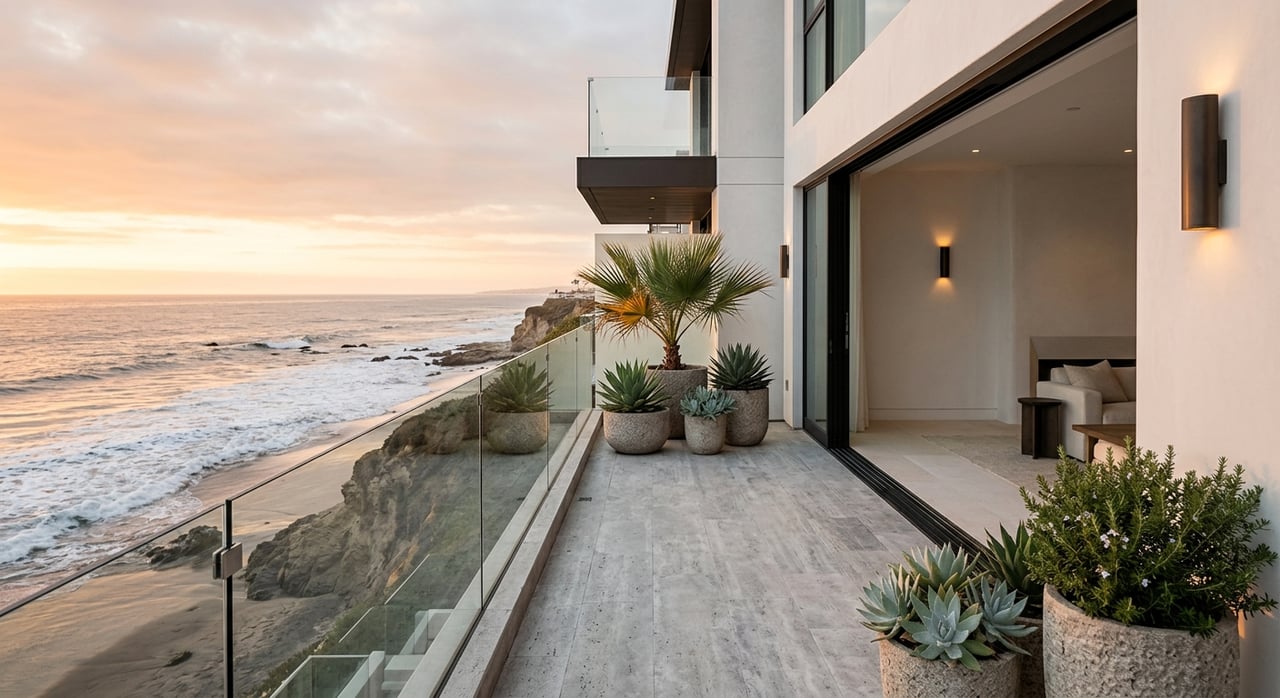
If you picture oceanfront living as quiet and tucked away, Mission Beach may surprise you. This is one of San Diego’s most active coastal communities, where the shoreline feels connected, social, and always in motion. If you are thinking about buying, selling, or investing here, it helps to know what daily life really looks like before you make a move. Let’s dive in.
Mission Beach Feels Close to Everything
Mission Beach sits on a narrow sandbar about two miles long and up to a quarter-mile wide, bordered by the Pacific Ocean on one side and Mission Bay on the other. That geography gives the area a true surrounded-by-water feel that many coastal buyers are looking for. It also means homes here are closely tied to the shoreline, the boardwalk, and the steady rhythm of public beach life.
The neighborhood is compact by design and by setting. According to the City of San Diego, Mission Beach is part of the Golden Strand and includes a beach area that spans just over a mile at its center. In everyday life, that creates a strong sense of proximity, where the ocean, bay, beach activity, and local landmarks are always nearby.
Oceanfront Life Is Public and Active
One of the biggest things to understand about oceanfront living in Mission Beach is that the coastline is not private in feel. The Mission Beach-Pacific Beach Boardwalk runs about 3.5 miles from North Pacific Beach to South Mission Beach, creating a continuous public promenade along the shore. If you live oceanfront, you are living beside one of the area’s defining public spaces.
That can be a major plus if you love energy, movement, and easy access to the beach. You can step outside and be near walking, biking, skating, beachgoing, and people enjoying the coast throughout the day. It also means your front-row ocean setting comes with foot traffic, activity, and a shared-use environment.
What Your Day-to-Day Could Look Like
Living oceanfront here often means starting your day with a walk along the boardwalk and ending it with sunset views over the Pacific. Because the west side faces the ocean and the east side faces Mission Bay, the natural setting offers changing light and water views throughout the day. The result is a lifestyle that feels distinctly coastal, not just in look but in how you spend your time.
Mission Beach also has a wide range of public amenities that support beach living. The City provides permanent lifeguard coverage, surfing and swimming access, restrooms, showers, picnic areas, volleyball, fire pits, parking, and public transportation access. Seasonal beach-access mats and beach wheelchairs are also available, including a power beach chair at the main lifeguard station.
Belmont Park Adds to the Local Identity
Mission Beach is not just about sand and surf. Belmont Park is one of the area’s best-known landmarks, and the Giant Dipper roller coaster has been part of the neighborhood since July 4, 1925. That long-standing attraction adds to the area’s distinct identity and helps explain why Mission Beach feels both residential and visitor-oriented at the same time.
If you enjoy being in a place with recognizable local character, this can be part of the appeal. Summer life here often centers on the boardwalk, beach sports, and the activity around Belmont Park. For some buyers, that atmosphere is exactly what makes Mission Beach special.
Homes Are Compact and Close to the Coast
The housing pattern in Mission Beach is different from what you might expect in other waterfront communities. The area is the most densely developed residential community in San Diego, and many original residential structures date back to the 1930s and 1940s. Over time, the neighborhood has kept a relatively low-profile built form through the Mission Beach Planned District.
That planning framework is important because it shapes what kinds of homes you will typically see. In residential subdistricts, permitted uses include single dwelling units, duplexes, and multiple dwelling units with up to four units in one structure. In simple terms, Mission Beach housing tends to be compact, low-rise, and built around limited lot sizes rather than large estates or high-rise towers.
What Oceanfront Buyers Should Expect
If you are shopping for an oceanfront home in Mission Beach, it helps to adjust your expectations to the local setting. The lifestyle here is less about privacy, oversized yards, or distance from neighbors. It is more about being right in the middle of a classic Southern California beach environment with immediate access to the shoreline.
That can be a great fit if you value location, views, and an easy beach routine. It may be less ideal if your top priorities are separation, quiet streets, or a more secluded waterfront experience. Knowing that difference early can help you narrow your search with more confidence.
Summer Crowds Are Part of the Experience
Mission Beach is one of the most popular beach areas in San Diego, and the City notes that it draws large summer crowds. If you live oceanfront, that seasonal energy will be part of your normal environment. During peak periods, the neighborhood feels lively, busy, and highly social.
For some owners, that is a major benefit because it creates the classic beach-town atmosphere they want. For others, it is a tradeoff that needs to be weighed carefully. Either way, it is best to go in with a clear picture of how much public activity comes with this location.
Rules Shape the Oceanfront Lifestyle
Because the shoreline and boardwalk are shared public spaces, city regulations play a visible role in daily life. The maximum speed on the Mission Beach-Pacific Beach boardwalk is 8 mph. The City also prohibits alcohol, glass containers, smoking, littering, disturbing noise, and overnight camping, sleeping, or parking on the beach, walkways, park areas, cliffs, or adjacent parking lots.
These rules help manage one of the city’s busiest beach environments. As a resident, you benefit from an organized and regulated public shoreline, but you also live in a setting where public-use rules matter. That is an important part of what oceanfront ownership looks like here.
Parking Takes Planning
Parking is a practical issue that can affect your day-to-day routine and your guests’ experience. Mission Beach has public parking lots, but overnight vehicle parking is prohibited in most public parking lots in Mission Bay Park and the beach areas between 2 a.m. and 4 a.m. The City also does not allow overnight camping, sleeping, or parking on the beach or adjacent lots.
If you are comparing properties, parking should be part of your checklist from the start. In a dense coastal neighborhood like this, convenience often comes down to details that are easy to overlook in photos. A home’s parking setup can shape how easy it feels to live there full time or use it as a second home.
Pet Owners Should Know the Timing Rules
If you have a dog, Mission Beach rules are worth reviewing closely. The City prohibits dogs on the beach, boardwalk, and adjacent parks during daytime hours in its seasonal windows, and requires dogs to be leashed at other times. For pet owners, that means routines may need to be planned around city rules rather than assumed beach access.
This does not make the area unworkable for dog owners, but it does affect how you use the shoreline day to day. If pet-friendly convenience is high on your list, this is the kind of lifestyle detail that matters.
Flood Risk Matters for Ownership
Oceanfront living comes with practical property considerations, and flood risk is one of them. The City’s FEMA flood-map update notes that recent revisions include South Mission Beach and North Mission Beach coastal zones, and many coastal San Diego properties shifted from low or moderate risk to high flood risk. If a property is in a Special Flood Hazard Area and has a federally regulated mortgage, flood insurance is required.
For buyers, this means flood zones and insurance costs should be part of your early due diligence. For sellers, it is helpful to understand how these property details may affect buyer questions and planning. It is one more reason local guidance matters when you are evaluating coastal real estate.
Short-Term Rental Rules Are Specific
Mission Beach has a separate short-term residential occupancy framework, which is especially relevant if you are considering rental income. According to the City, stays under one month require a license, and Mission Beach falls under Tier 4 Mission Beach Whole Home. The City also says Tier 4 licenses are capped at 30% of the Mission Beach Community Planning Area and require a two-night minimum stay.
The Tier 4 application period closed on August 15, 2025, based on the City’s current information in the research provided. If you are buying with rental goals in mind, you will want to look at the current licensing status of any property and understand how the local rules apply. This is not a market where you should assume short-term rental use is automatically available.
Who Mission Beach Oceanfront Living Fits Best
Oceanfront living in Mission Beach often fits buyers who want a hands-on coastal lifestyle. You may love it if you want easy access to the beach, a strong sense of place, and a home that keeps you connected to San Diego’s shoreline culture. It can also appeal to second-home buyers who value experience, walkability, and iconic coastal surroundings over privacy and space.
For sellers, understanding this lifestyle profile matters too. The right buyer is often drawn to the energy, the location, and the everyday access to the ocean and boardwalk. Positioning a home around how it lives, not just its specs, can make a big difference in how buyers connect with it.
Final Thoughts on Oceanfront Mission Beach
Living oceanfront in Mission Beach is exciting, visible, and deeply connected to the public life of the coast. You get immediate access to the beach, a highly walkable shoreline setting, and a neighborhood with long-standing San Diego character. In return, you should expect density, crowds, city regulations, and practical ownership details like parking, flood considerations, and rental rules.
If that blend of energy and waterfront access sounds like your kind of lifestyle, Mission Beach can be a very compelling place to call home. And if you want guidance that balances lifestyle goals with the realities of the market, Angie & Daniel Dominguez are here to help.
FAQs
What is oceanfront living like in Mission Beach, San Diego?
- Oceanfront living in Mission Beach is active and public-facing, with direct access to the beach and boardwalk, frequent shoreline activity, and a strong connection to the area’s coastal lifestyle.
What kinds of homes are common in Mission Beach?
- Mission Beach commonly has single dwelling units, duplexes, and small multifamily buildings with up to four units in one structure, shaped by low-profile planning rules.
Is Mission Beach busy during the year?
- Mission Beach is especially busy in summer, when large crowds gather at the oceanfront, boardwalk, and Belmont Park.
Are there short-term rental rules in Mission Beach?
- Yes. In Mission Beach, stays under one month require a city license, and the area falls under the Tier 4 Mission Beach Whole Home framework with licensing limits and a two-night minimum stay.
Do Mission Beach oceanfront homes have flood insurance considerations?
- Yes. Some coastal properties in Mission Beach are in higher-risk flood areas, and flood insurance may be required for properties in Special Flood Hazard Areas with federally regulated mortgages.
Is the Mission Beach boardwalk easy to use every day?
- The boardwalk is a major daily amenity for walking and shoreline access, but it is a shared public space with an 8 mph speed limit and city rules that shape how it is used.