If you are getting ready to sell in La Jolla, presentation can have a major impact on how buyers respond from the first photo to the final showing. In a coastal market where many homes compete on condition, views, and lifestyle, even small details can shape how your property is perceived. The good news is that smart preparation does not always mean a full renovation. With the right pre-listing plan, you can highlight what buyers value most and reduce avoidable surprises once your home hits the market. Let’s dive in.
Why prep matters in La Jolla
La Jolla is a coastal community defined by ocean bluffs, beaches, canyons, hillsides, and Mount Soledad. It is also about 99 percent built out, which means buyers are often comparing existing homes based on upkeep, presentation, and how well each property fits the lifestyle they want.
That makes pre-sale preparation especially important. In many cases, your home is not competing against brand-new construction. It is competing against other resale homes where cleanliness, light, flow, and outdoor appeal can quickly influence buyer interest.
Staging also plays a practical role. According to the National Association of Realtors consumer guidance, 83% of buyers’ agents say staging makes it easier for buyers to visualize a property as their future home. More than a quarter of real estate professionals also reported that staging increased the dollar value offered by 1% to 10%.
In La Jolla, that often means focusing on the features buyers notice first: views, outdoor living, and a bright, simplified interior.
Start with coastal wear and tear
Before you think about photos, open houses, or pricing strategy, walk your property with fresh eyes. Coastal conditions can be tough on materials, and visible wear may signal deferred maintenance to buyers even when the issue is minor.
Salt spray and moisture can contribute to corrosion and decay in coastal areas. That is why it makes sense to inspect exposed metal details like railings, gate hardware, light fixtures, screens, vents, and fasteners before listing.
If something looks rusted, loose, or tired, fix it early. These details are easy to overlook when you live in the home, but they can stand out in listing photos and during showings.
Windows, roof edges, and other openings deserve attention too. Damaged flashing or visible gaps can allow moisture intrusion, which can lead to leaks, corrosion, and dry rot. If you see staining, cracked caulk, or signs of water entry, it is wise to address those items before buyers start asking questions.
Exterior details to review
- Rust on railings, hardware, or light fixtures
- Torn or worn window screens
- Peeling paint or weathered trim
- Cracked or missing caulk around windows and doors
- Visible staining near roof edges or openings
- Damaged flashing or signs of past leaks
- Worn gates, fences, or exterior vents
Highlight views and outdoor living
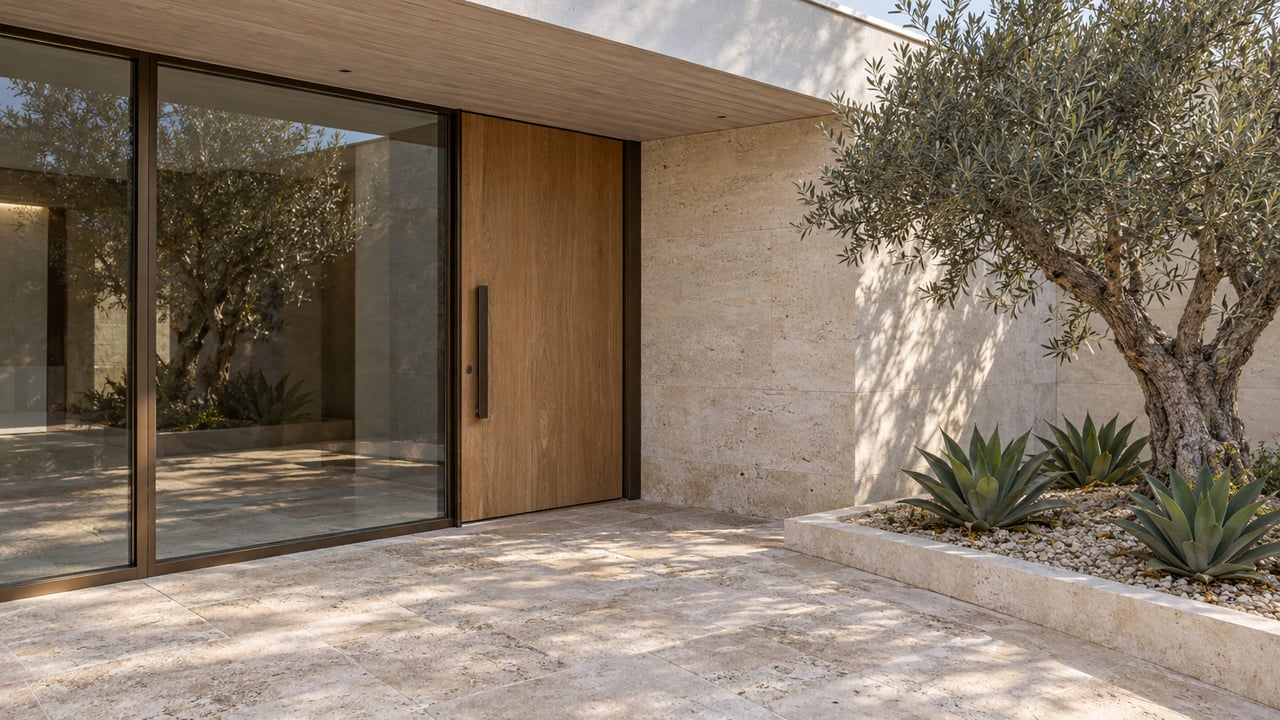
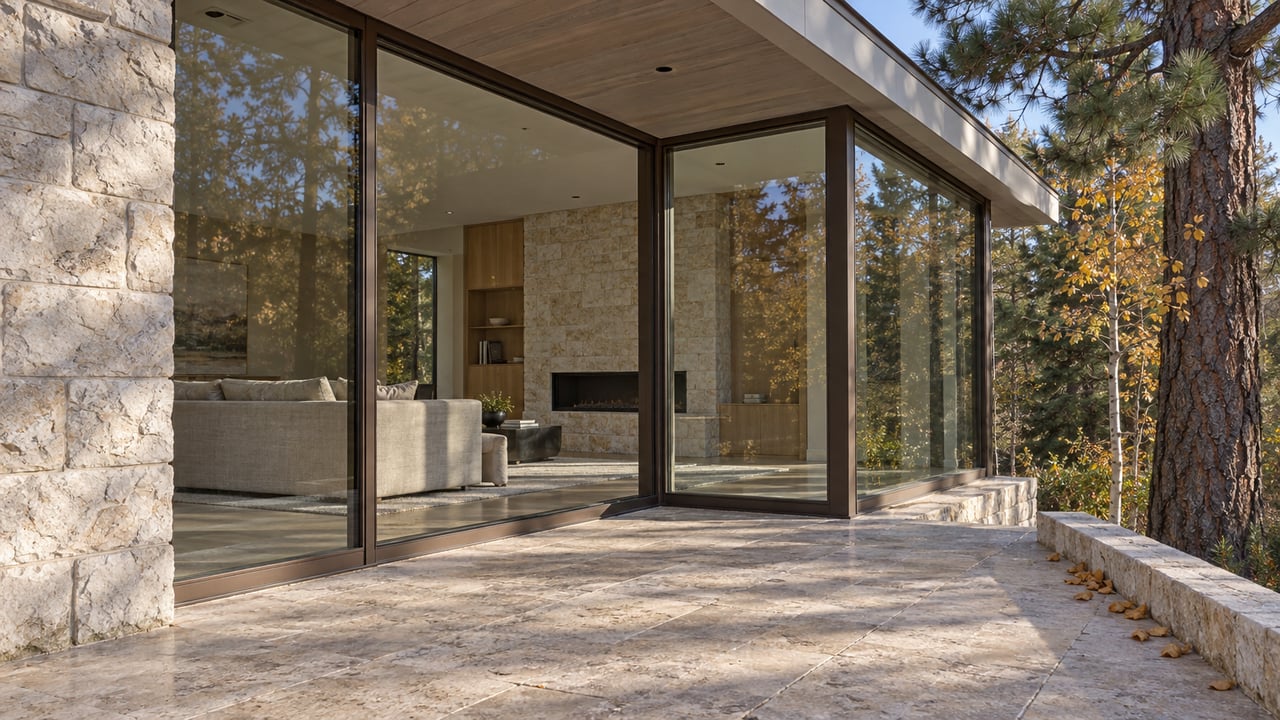
In La Jolla, outdoor space is not just extra square footage. It is often part of the home’s core appeal. Whether your property looks toward the ocean, a canyon, or a hillside, buyers are likely to notice how well the home connects to that setting.
Start by clearing anything that blocks the view. Overgrown landscaping, cluttered patios, and bulky furniture can distract from the features buyers came to see.
Clean windows thoroughly so natural light and sightlines feel crisp. Then stage decks, patios, and entries as usable spaces with a simple, intentional layout. The goal is to help buyers imagine morning coffee, outdoor dining, or a quiet place to unwind.
A clean and edited outdoor setup usually works better than an overly decorated one. In many cases, less furniture creates a stronger sense of space and makes the setting feel more elevated.
Simple outdoor improvements that matter
- Trim vegetation that interrupts key sightlines
- Wash windows and glass railings
- Remove extra planters or unused furniture
- Sweep and clean patios, balconies, and entry areas
- Arrange seating to frame the best outlook
- Keep outdoor decor minimal and purposeful
Simplify the interior for photos and showings
Inside the home, buyers want to understand the layout quickly. If rooms feel crowded or heavily personalized, that can make the home harder to read both online and in person.
A full remodel is not always necessary before selling. In many cases, the better strategy is to improve flow and reduce distractions so your home feels open, calm, and move-in ready.
Neutral paint, fresh bedding, fresh towels, and less crowded closets can all help. So can removing bulky furniture and packing away personal items that make it harder for buyers to picture themselves in the space.
This matters because staging is not just about style. It is about helping buyers focus on the home itself, including natural light, room size, and how one space connects to the next.
Interior staging priorities
- Remove excess furniture to improve flow
- Pack away personal photos and highly specific decor
- Use light, neutral bedding and towels
- Clear countertops and open surfaces
- Organize closets so they appear less crowded
- Touch up paint where walls look worn or marked
- Keep styling clean and consistent from room to room
Focus on flow, not major last-minute projects
If your home has an older layout or a few dated finishes, resist the urge to take on a rushed major renovation unless you have clear guidance that it is worth it. Large pre-listing projects can add cost, create delays, and sometimes introduce permit or disclosure issues.
Instead, focus on the updates that improve first impressions. Better lighting, simpler furnishings, fresh paint, and cleaner transitions between rooms often do more for marketability than a last-minute overhaul.
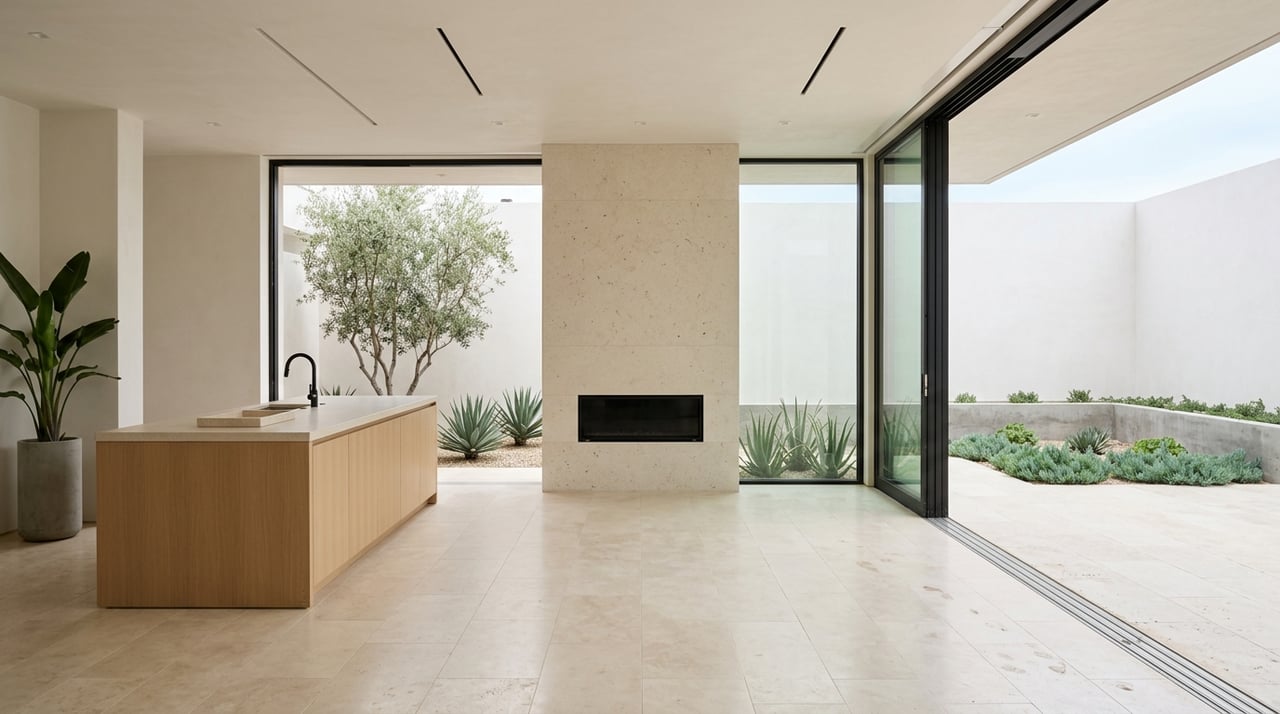
This approach is especially helpful in La Jolla, where the lifestyle setting often carries significant weight. Buyers may respond more strongly to clean presentation, indoor-outdoor flow, and a well-framed view than to trendy finishes that feel overly specific.
Get disclosures and records ready early
Preparation is not only visual. In California, sellers are also expected to disclose property condition and material facts that affect value, desirability, or intended use.
The Real Estate Transfer Disclosure Statement describes the condition of the property, but it is not a warranty and it does not replace inspections. That is why it helps to gather information early, especially if there are known issues such as moisture damage, corrosion, leaks, or unfinished repairs.
The Natural Hazard Disclosure Statement is also part of the seller disclosure process when a property falls within a covered zone. Getting these documents organized before the home goes live can make the transaction smoother and reduce stress later.
If you have past inspection notes, repair invoices, or permit records, put them in one place now. A well-prepared disclosure packet supports transparency and helps buyers feel more confident.
Be careful with exterior upgrades and permits
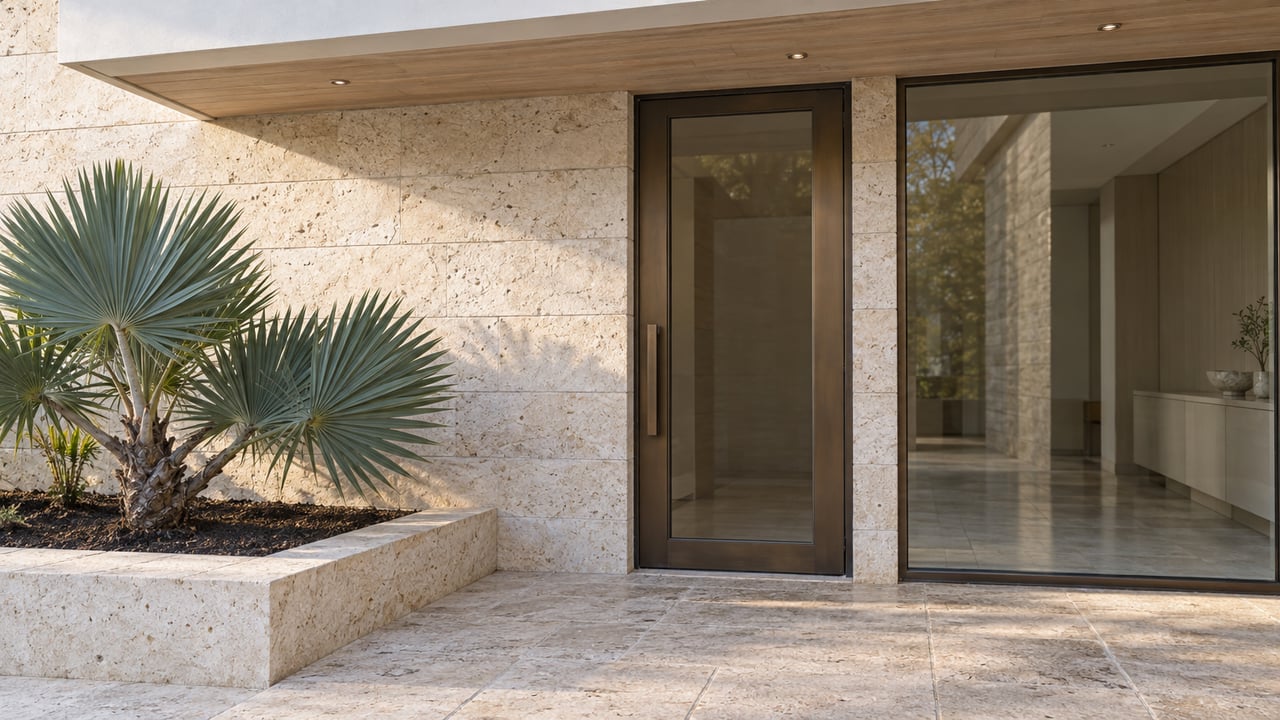
It can be tempting to make exterior changes before listing, especially if you want stronger curb appeal. But in La Jolla, visible improvements such as decks, walls, additions, or other exterior work may require careful permit review.
San Diego notes that development in the Coastal Zone is a common reason for discretionary review, and coastal review follows the city’s Local Coastal Program and the California Coastal Act. That means a seemingly simple exterior update could create a compliance issue if it is done without the right approvals.
Before starting any pre-listing exterior project, check whether permits or discretionary review may apply. A cosmetic fix should not become a closing delay.
Use virtual staging carefully
If your marketing plan includes virtual staging or photo enhancements, keep the presentation accurate. Materially altered images should be disclosed so buyers are not misled about the property’s actual condition or features.
Virtual staging can be useful when a room is empty or hard to interpret. But the listing photos still need to align with the real home buyers will walk into.
Clear, honest marketing builds trust from the beginning. That matters in every market, and especially in a relationship-driven sale.
A practical La Jolla pre-sale checklist
If you want a simple way to get started, use this checklist before your home goes on the market.
- Walk the property from curb to backyard and note anything rusted, weathered, stained, or blocked from view.
- Repair the most visible coastal wear first, including corrosion, peeling paint, damaged caulk, stained openings, and worn screens or hardware.
- Declutter aggressively and remove bulky furniture so rooms feel larger and easier to understand.
- Use neutral paint and simple textiles to create a bright, clean look.
- Stage patios, decks, and the entry before photography so outdoor living feels like a true asset.
- Gather seller disclosures, inspection notes, and permit records before the listing goes live.
- If using virtual staging, disclose material changes and keep photos aligned with the home’s actual condition.
Final thoughts on selling well in La Jolla
A successful sale in La Jolla often starts well before the sign goes up. When your home looks clean, cared for, and true to its setting, buyers can focus on what makes it special instead of what needs work.
That usually means repairing coastal wear, editing the interior, showcasing outdoor living, and getting your disclosures in order early. Done well, these steps can strengthen your presentation, support buyer confidence, and help your home stand out in a highly visual market.
If you are thinking about selling and want a thoughtful, high-touch plan for presenting your home, connect with Angie & Daniel Dominguez for a personalized valuation and consultation.
FAQs
What should sellers fix before listing a La Jolla home?
- Sellers should focus first on visible coastal wear such as rusted metal, peeling paint, damaged caulk, worn screens, staining near openings, and signs of moisture intrusion.
Why is staging important when selling a home in La Jolla?
- Staging helps buyers visualize the property as their future home and can make spaces feel brighter, cleaner, and more move-in ready, especially when views and indoor-outdoor living are key selling points.
How can outdoor spaces help a La Jolla home sell?
- Well-staged patios, decks, entries, and view areas can help buyers connect with the home’s coastal setting and see outdoor living as part of the property’s value.
What disclosures do California sellers need to prepare before listing?
- California sellers should prepare the Real Estate Transfer Disclosure Statement and, when applicable, the Natural Hazard Disclosure Statement, along with any helpful repair, inspection, or permit records.
Should sellers make exterior upgrades before listing a home in La Jolla?
- Sellers should be careful with exterior upgrades because some visible changes in the Coastal Zone may require permit review or discretionary approval through the City of San Diego.
Can virtual staging be used when marketing a La Jolla home?
- Yes, but any material changes in virtually staged or enhanced images should be disclosed, and the photos should still reflect the home’s true condition.