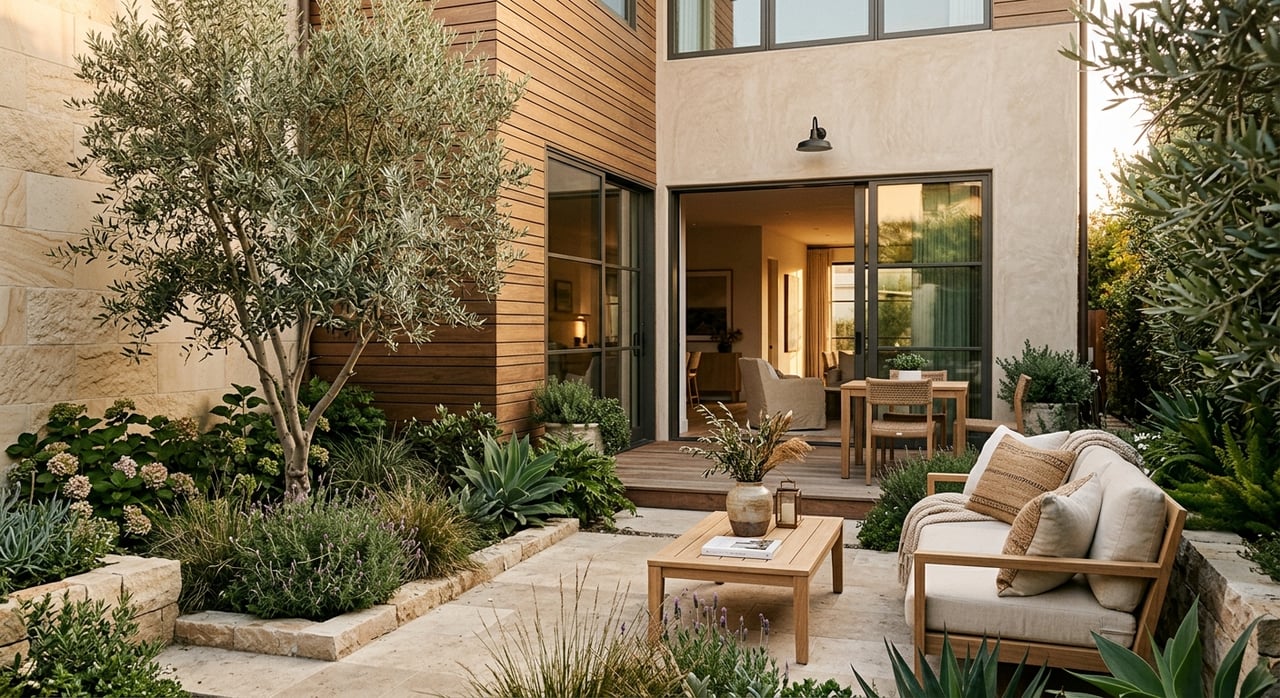
Dreaming about a place near the sand in Pacific Beach, but not sure whether a condo or a detached home makes more sense for vacation use? You are not alone. Many buyers love the beach lifestyle here, but the right fit often comes down to budget, privacy, parking, and how you plan to use the property. This guide will help you compare the real tradeoffs so you can make a more confident move. Let’s dive in.
Why Pacific Beach Stands Out
Pacific Beach draws both locals and visitors for a reason. The City of San Diego describes it as one of the city’s busiest beach areas, with more than two miles of shoreline, Mission Bay access, restaurants, pubs, shops, and heavy summer activity.
That kind of built-in appeal matters when you are buying for personal vacation use or considering part-time rental potential. Pacific Beach also offers public restrooms, outdoor showers, sand volleyball areas, public parking lots at beach locations, and a permanent lifeguard station, which helps support a strong visitor experience.
Pacific Beach Price Gap Matters
One of the biggest differences between condos and homes in Pacific Beach is the entry price. Current inventory in the research shows Pacific Beach condos listed at a much lower starting point than detached homes, even though some premium condo units still reach high price points.
Redfin shows 48 Pacific Beach condos for sale with a median listing price of $870,000. Zillow’s condo listings range from about $339,000 to $1.895 million, while single-family homes start around $1.449 million and climb to about $5.495 million.
For many buyers, that price gap shapes the whole decision. If you want beach access with a lower upfront cost, a condo is often the more realistic starting point.
Short-Term Rental Rules Apply to Both
If you are thinking about vacation use that includes short-term rentals, the city rules matter just as much as the property itself. In San Diego, any stay under one month requires a Short-Term Residential Occupancy license.
The city also requires a Transient Occupancy Tax certificate, and short-term rentals of houses, condos, rooms, or spaces must collect and remit TOT. Property owners who rent all or part of a property for more than six days in a calendar year are also responsible for Rental Unit Business Tax.
Whole-Home Vacation Rental Limits
For whole-home vacation use in Pacific Beach, the relevant framework is the city’s Tier 3 rule set rather than Tier 4. Outside Mission Beach, whole-home licenses are capped at 1% of San Diego’s housing units and require a two-night minimum stay.
There is another important limit to know. Whole-home short-term rental use of 21 to 89 days per year is not allowed, and Tier 3 or Tier 4 licenses must be used at least 90 days per year to remain valid.
Primary Residence Rules Are Different
If the property is your primary residence and you occupy it at least 275 days per year, Tier 2 may allow up to 70 days of whole-home short-term rental use. That can be more relevant if you plan to live in the home most of the year rather than use it as a dedicated vacation property.
Accessory dwelling units also do not create extra short-term rental flexibility under current city rules. San Diego does not allow ADUs to be used for STRO.
Current TOT Rates
San Diego’s current TOT guidance says rates increased effective May 1, 2025. Depending on the zone, the rate is 11.75%, 12.75%, or 13.75%.
This applies whether you buy a condo or a home. In other words, a detached house does not avoid the city’s short-term rental rules, and a condo does not get special treatment from the city just because it is smaller.
Condo Benefits for Vacation Use
Condos are often attractive to vacation buyers because they can be easier to enter financially and easier to maintain. In a beach market like Pacific Beach, that can be a major advantage if you want a lock-and-leave property.
Many current condo listings in Pacific Beach highlight features that support a relaxed guest experience. Examples include private balconies, private patios, community pools, gated entries, oceanfront locations, and tennis courts.
Why Buyers Often Like Condos
- Lower entry price than detached homes
- Less exterior upkeep compared with owning private land
- Shared amenities that may add to the vacation feel
- Good fit for buyers focused on beach access over square footage
For buyers who want a simple coastal getaway, a condo can offer the lifestyle without the higher cost of a detached property.
Condo Risks You Need to Review
The main condo-specific issue is shared governance. In California, homeowners associations operate under CC&Rs, bylaws, and board rules, and they typically collect regular assessments for operations and reserves.
The state also notes that HOAs can issue special assessments for major repairs, replacements, or unexpected expenses. Reserve planning may include items such as roofs, pools, lighting, paving, decks, and patios, depending on the governing documents.
What to Check Before Buying a Condo
Even if city short-term rental rules would allow your planned use, the building’s rules still matter. Before you buy, you will want to review:
- CC&Rs and bylaws
- Rental-related restrictions
- Amenity use rules
- Assessment history
- Reserve funding and any signs of future special assessments
- Guest access limitations that could affect vacation use
This is where condo buyers need to be especially careful. A unit may look perfect on paper, but the HOA can shape how practical it is for your goals.
Home Benefits for Vacation Use
Detached homes come with a much higher price tag in Pacific Beach, but they often offer a different kind of flexibility. If your ideal vacation property includes more privacy, outdoor space, and room for a group, a home may be the better fit.
Current single-family listings in Pacific Beach show features that are harder to find in condos. These include fenced backyards, private pools, attached two-car garages, and ocean views.
Why Buyers Often Prefer Homes
- More private indoor and outdoor space
- Better parking flexibility
- Easier storage for beach gear and bikes
- Stronger fit for larger groups or multicar households
- Greater control over the overall property experience
For many second-home buyers, that control is the biggest advantage. You are not sharing walls, common areas, or building-wide rules in the same way you would in a condo setting.
Parking Can Be a Big Deciding Factor
Parking is easy to underestimate until you spend time in Pacific Beach during busy seasons. The area has strong visitor demand, and the city’s Pacific Beach Community Parking District includes metered areas in parts of Garnet, Cass, Hornblend, and Bayard to improve turnover in the commercial core.
The district lists meter hours from 10 a.m. to 8 p.m., Monday through Saturday, at $1.25 per hour. That may not sound dramatic at first, but it highlights a real lifestyle issue for owners and guests.
If private parking matters to you, a detached home may carry a clear advantage. Garages and larger driveways can make everyday use much simpler, especially if you expect multiple cars or lots of beach equipment.
Condos vs Homes at a Glance
| Factor | Condos | Detached Homes |
|---|---|---|
| Entry price | Usually lower | Usually much higher |
| Maintenance | Less exterior upkeep | More owner responsibility |
| Amenities | Often shared pools, gates, courts | More likely private yards or pools |
| Parking | May be more limited | Often more flexible |
| Privacy | Shared walls and common rules | More private overall |
| HOA oversight | Yes, often significant | Typically less shared governance |
| Vacation feel | Amenity-driven, lock-and-leave | Space-driven, private retreat |
How to Choose the Right Fit
The better choice usually depends on how you want to use the property. If you want a lower-cost coastal entry point and like the idea of shared amenities with less exterior upkeep, a condo may make more sense.
If you care more about privacy, parking, outdoor space, and hosting a larger group, a detached home may be worth the higher buy-in. In Pacific Beach, both property types can work well for vacation use, but they solve different problems.
A smart decision starts with matching the property to your real priorities. Think through your budget, your comfort with HOA rules, your parking needs, and whether your short-term rental plans can meet the city’s licensing and tax requirements.
If you are weighing condos against homes in Pacific Beach, a local, relationship-first strategy can save you time and help you avoid expensive surprises. Angie & Daniel Dominguez can help you compare lifestyle fit, property tradeoffs, and vacation-use considerations with the personal guidance that matters in a fast-moving coastal market.
FAQs
What is the main price difference between Pacific Beach condos and homes?
- Condos are generally the lower-entry option in Pacific Beach, with current condo listings ranging from about $339,000 to $1.895 million, while single-family homes start around $1.449 million and go much higher.
Do Pacific Beach condos and homes follow the same short-term rental rules?
- Yes. In San Diego, stays under one month require a Short-Term Residential Occupancy license, and both condos and homes must follow the city’s licensing, tax, and operating rules.
What should you review before buying a Pacific Beach condo for vacation use?
- You should review the HOA’s CC&Rs, bylaws, rental restrictions, amenity rules, assessment history, and reserve funding because the association can affect how you use the property.
Why do some buyers choose a detached home in Pacific Beach for vacation use?
- Many buyers choose a detached home for more privacy, more outdoor space, better parking flexibility, and features like fenced yards, private pools, and garages.
Can an ADU be used for short-term rental in San Diego?
- No. Under current City of San Diego rules, accessory dwelling units cannot be used for Short-Term Residential Occupancy.
Why is parking important when comparing Pacific Beach condos and homes?
- Parking can be a major quality-of-life issue in Pacific Beach because the area is busy and some commercial-core streets have metered parking, so private parking in a detached home may be a meaningful advantage.