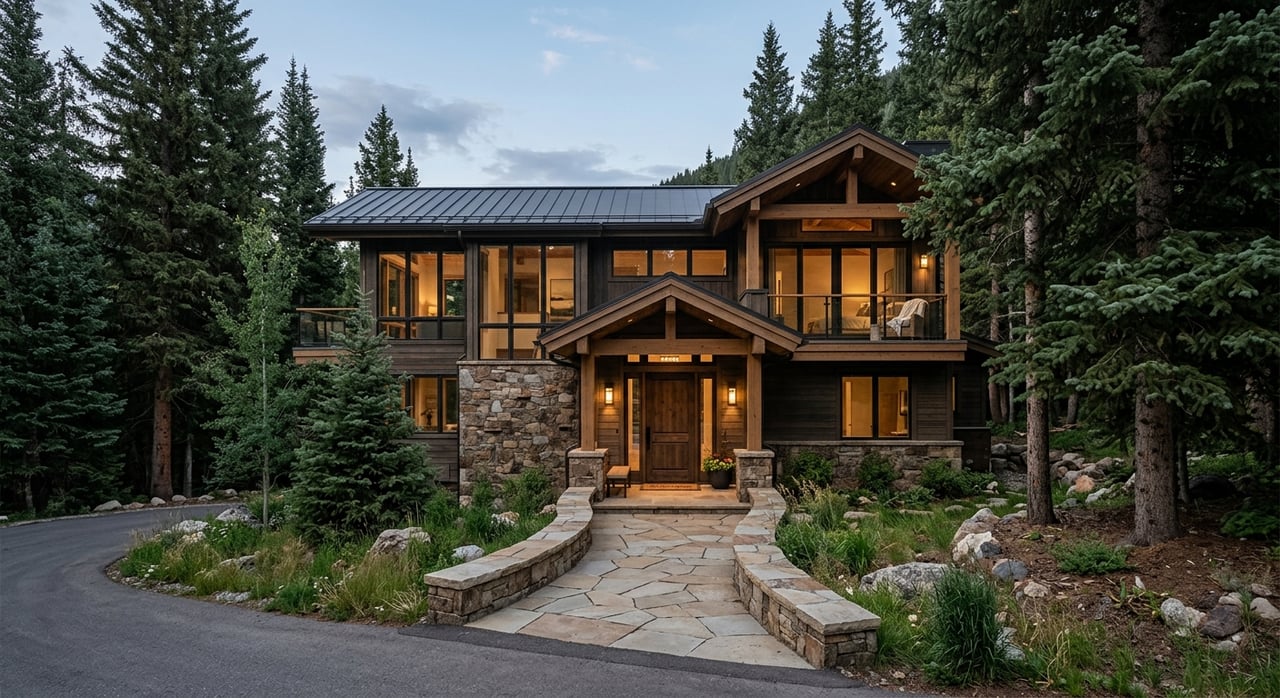
Trying to choose between Big Bear City and Big Bear Lake? At first glance, they can seem interchangeable because they share the same mountain setting and sit in the same valley. But when you look closer, the day-to-day feel, housing patterns, and price points can be very different. If you are deciding where to buy, this guide will help you compare the two and figure out which one fits your goals best. Let’s dive in.
Big Bear City vs Big Bear Lake at a Glance
If you want the short version, Big Bear Lake is the more resort-centered option, while Big Bear City tends to feel more residential and spread out. That difference shapes everything from the pace of life to the types of homes you are likely to consider.
Big Bear Lake is an incorporated charter city with its own council-city manager government. According to the City of Big Bear Lake city profile, the city focuses on providing an exceptional mountain resort experience. Big Bear City, by contrast, is part of San Bernardino County’s unincorporated Bear Valley communities, which the county describes as having a slow, relaxed, unhurried pace and quiet neighborhoods in the Bear Valley communities overview.
That distinction matters because it reflects how each area is experienced. One is closely tied to visitor activity and concentrated amenities. The other is more tied to local residential living across a larger footprint.
Location and Layout Differences
Big Bear City is larger and less compact
Big Bear City covers much more land than Big Bear Lake. The U.S. Census QuickFacts page reports 12,738 residents in Big Bear City across 32.02 square miles, compared with 5,046 residents in Big Bear Lake across 6.24 square miles.
That gap helps explain why Big Bear City often feels more spread out. You may notice a less compact layout, more separation between homes, and a broader residential feel as you move through the area.
Big Bear Lake sits at the tourism core
Big Bear City is immediately east of Big Bear Lake, according to a San Bernardino County LAFCO service review. For many buyers, that simple orientation point helps make the comparison easier.
Big Bear Lake is where you will find much of the area’s best-known tourism infrastructure. The Village is the main downtown hub for shopping, dining, sightseeing, and nightlife, while Big Bear Mountain Resort lists both Snow Summit at 880 Summit Blvd and Bear Mountain at 43101 Goldmine Drive in Big Bear Lake. If you want to be close to those activity centers, Big Bear Lake has the advantage.
Lifestyle and Daily Experience
Big Bear City offers a quieter pace
If you picture mountain living as a little more laid-back and residential, Big Bear City may feel like the better match. The county’s description of the unincorporated Bear Valley communities points to a slower pace and quieter neighborhoods, which supports that overall impression.
For many buyers, this means Big Bear City feels more like a place to settle into daily mountain life rather than stay close to the busiest visitor zones. That can be especially appealing if you want a cabin retreat, a primary home, or simply more breathing room.
Big Bear Lake brings activity and convenience
Big Bear Lake is the side of the valley most directly connected to the Village, lakefront recreation, and ski-base access. Visit Big Bear describes the area as Southern California’s four-season mountain lake escape, and that identity shows up in how the city is organized and experienced.
If your ideal mountain home includes easy access to restaurants, shopping, waterfront settings, and resort activity, Big Bear Lake may be a stronger fit. You are often paying for that convenience, but for some buyers, that tradeoff is worth it.
Housing Patterns and Property Types
Big Bear City leans cabin and single-family
Current examples in Big Bear City point toward classic mountain cabins and single-family homes. In the research sample, one property featured shiplap siding, vaulted beam ceilings, a brick fireplace, and a 7,500-square-foot lot, while another highlighted custom woodwork, mountain views, and a 7,199-square-foot lot with single-residential zoning.
That does not mean every home in Big Bear City follows the same pattern. But overall, the market appears to lean toward traditional residential inventory with a strong cabin character.
Big Bear Lake has more mixed inventory
Big Bear Lake examples show a wider mix of property types and uses. In the research sample, one lakefront cottage included lake views, a dock, and terraced decks on a 4,536-square-foot lot, while another property on Big Bear Boulevard sat on a 2,700-square-foot lot with commercial-recreation and commercial-visitor zoning.
That gives Big Bear Lake a more mixed feel in some areas. Along with homes, you may see more inventory tied to waterfront living, visitor-serving uses, or resort-oriented locations.
Lot size is a pattern, not a rule
It is important not to oversimplify lot sizes. Both Big Bear City and Big Bear Lake include smaller and larger parcels.
Still, the examples in the research report suggest a useful pattern: Big Bear City more often reads as a space-oriented single-family cabin market, while Big Bear Lake includes more waterfront and visitor-facing inventory. That is best understood as a market tendency, not a hard rule.
Price Differences That Matter
For many buyers, price is where the distinction becomes very clear. As of February 2026, Redfin market data for Big Bear City showed a median sale price of $425,000, while Big Bear Lake’s median sale price was $682,500.
That means Big Bear Lake was priced roughly 61% higher than Big Bear City on this comparison. That is a major difference, and it can affect not only your monthly budget but also the type of property you can realistically target.
The same source reported that homes sold in about 92 days on average in Big Bear City versus about 191 days in Big Bear Lake, with both markets described as not very competitive. While market conditions can shift, this snapshot reinforces the idea that the two areas occupy different price positions.
Census housing data points in the same general direction. The U.S. Census QuickFacts page lists the median value of owner-occupied housing units at $463,500 in Big Bear City and $576,700 in Big Bear Lake. Those figures are survey-based and less current than sale-price data, but they support the broader pattern.
Which Area Fits Your Goals?
Choose Big Bear City if you want value and space
Big Bear City may be the better fit if you are looking for:
- A quieter, more residential setting
- A lower entry price compared with Big Bear Lake
- A classic mountain cabin feel
- More spread-out surroundings
- A home search focused mainly on single-family residential properties
For buyers who want to maximize value and keep their focus on everyday mountain living, Big Bear City often stands out as the more practical choice.
Choose Big Bear Lake if you want access and amenities
Big Bear Lake may be the stronger fit if you are looking for:
- Close access to the Village
- Proximity to lakefront recreation
- Convenient access to resort activity and ski bases
- More mixed inventory, including waterfront opportunities
- A location with a stronger tourism and amenity focus
If your lifestyle priorities center on being near the action, Big Bear Lake can be worth the premium.
The Real Decision Comes Down to Lifestyle
When buyers compare Big Bear City vs Big Bear Lake, the most useful question is often not just "Which one is nicer?" It is "How do you want to live when you are here?"
If you want a quieter setting with a more residential rhythm and a lower price point, Big Bear City may feel like home. If you want quick access to the Village, lake activity, and ski resort energy, Big Bear Lake may better match your vision.
The right choice depends on how you plan to use the property, what kind of atmosphere you enjoy most, and how you want to balance budget with location. If you want help narrowing down the right fit in the Big Bear market, connect with Angie & Daniel Dominguez for personalized guidance and a relationship-first approach.
FAQs
What is the main difference between Big Bear City and Big Bear Lake?
- Big Bear Lake is more resort- and amenity-focused, while Big Bear City generally feels more residential, spread out, and value-oriented.
Is Big Bear City more affordable than Big Bear Lake?
- Based on February 2026 Redfin data, Big Bear City had a median sale price of $425,000 compared with $682,500 in Big Bear Lake, making Big Bear City the lower-priced option in that snapshot.
Is Big Bear Lake closer to shopping and skiing?
- Yes. Big Bear Lake includes the Village, visitor center, Snow Summit, and Bear Mountain, so it is more directly tied to shopping, dining, and ski-base access.
Does Big Bear City have larger lots than Big Bear Lake?
- Not always, but the research suggests Big Bear City more often reads as a space-oriented single-family cabin market, while Big Bear Lake includes more waterfront and visitor-facing inventory.
Should I buy in Big Bear City or Big Bear Lake for a second home?
- It depends on your goals. Big Bear City may fit you better if you want a quieter retreat and lower entry price, while Big Bear Lake may fit better if you want to be closer to the Village, lakefront settings, and resort activity.