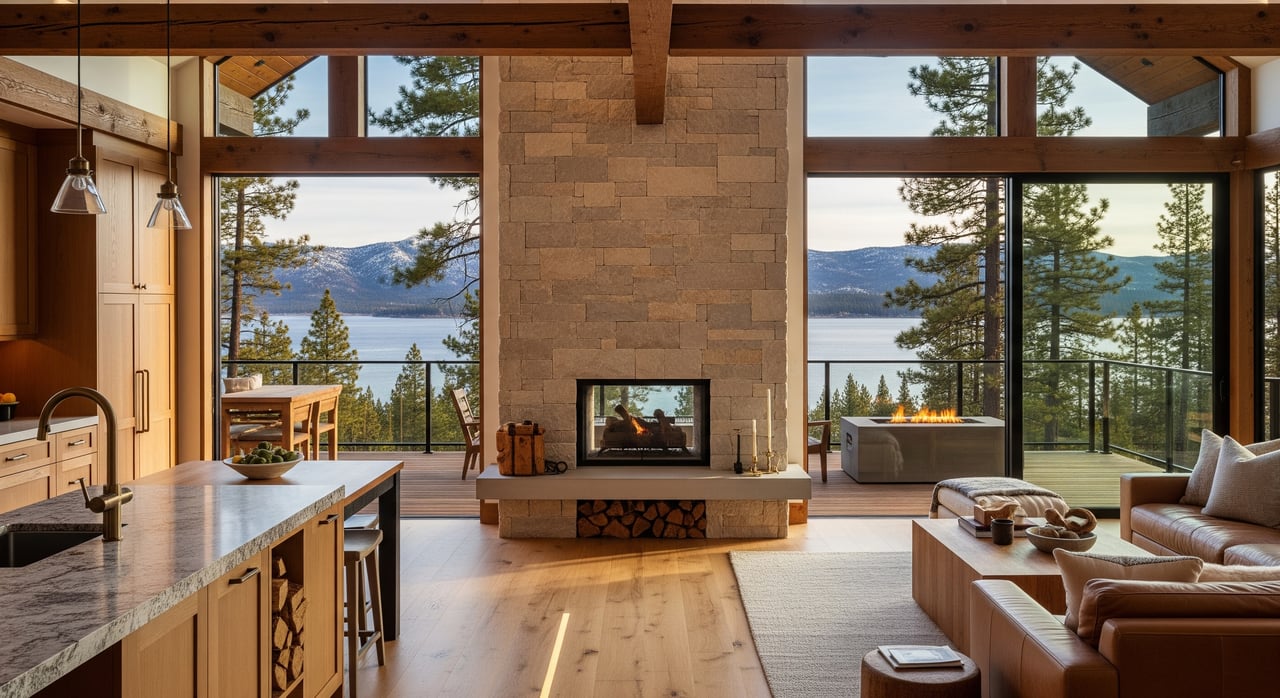
Shopping for or selling a Big Bear cabin can feel exciting and a little overwhelming. Buyers in Big Bear City expect homes that handle winter, welcome guests, and stay easy to maintain between visits. If you know which features matter most, you can make smarter upgrades as a seller and quicker decisions as a buyer. Here is a clear guide to what stands out in our mountain market so you can move forward with confidence. Let’s dive in.
Why function matters in Big Bear City
Big Bear City sits at high elevation with real winters, so snow, ice, and freezing temperatures shape what buyers value. You will see strong demand for cabins that are easy to access in winter, warm and efficient, and simple to clean after a weekend crowd. Many homes here serve as second homes or vacation rentals, which puts a premium on durability, backup heat options, and storage for mountain gear. Local rules for short-term rentals and wildfire safety also influence appeal and insurance.
Must-have driveway and parking
A usable driveway is near the top of the list. Snowplows, trucks, and guest turnover make reliable access essential.
- Aim for enough length and width to fit SUVs and allow a plow to operate safely.
- Add a turnaround or pull-through space so no one backs onto steep or icy roads.
- Choose paved or compacted asphalt/concrete for traction and easy plowing.
- Plan a snow storage area that does not block walkways or sightlines.
Avoid steep, unplowable drives or limited curbside parking that can hurt marketability during peak seasons.
Mudroom that works in winter
A well-designed entry protects your interior and keeps turnarounds quick.
- Include a bench with storage, heavy-duty hooks, and cubbies sized for boots and helmets.
- Use durable, waterproof flooring such as tile or luxury vinyl plank. A removable boot tray helps contain water.
- Consider integrated boot dryers or a ventilated drying closet to prevent mildew.
- Keep access close to the driveway, ideally with a covered approach.
Tiny foyers without storage push wet gear into living areas and lead to odors and mold.
Easy-care interiors buyers love
Low-maintenance finishes save time and money, especially for second-home owners and hosts.
- Floors: choose LVP, porcelain or ceramic tile, or sealed hardwood in high-traffic areas. Add area rugs for warmth.
- Upholstery: pick stain-resistant fabrics or leather alternatives for heavy use.
- Trim and cabinetry: semi-gloss or satin finishes clean easily. UV-resistant finishes help in sunny rooms.
- Exterior: fiber-cement siding, composite decking, and metal roofing handle freeze-thaw cycles well.
Extensive carpet and delicate surfaces raise cleaning costs and reduce appeal.
Hot-tub-ready decks and outdoor living
Hot tubs and cozy outdoor spaces are big selling points, but they must be done right.
- Have a licensed engineer verify that an existing deck can handle a tub’s live load.
- Plan for dedicated electrical service with GFCI protection and required permits.
- Choose slip-resistant composite or rot-resistant decking with good drainage and ventilation.
- Map a layout with sheltered access to the interior and nearby storage for covers and chemicals.
Avoid installing a heavy tub on an undersized deck or skipping permits, which creates safety and resale issues. If a property has septic, confirm capacity and best practices for occasional draining.
Heat and ventilation that perform
Comfort and reliability in very cold weather matter to buyers.
- High-efficiency gas furnaces or boilers are common, with EPA-rated wood or pellet stoves for ambiance and backup heat.
- Cold-climate heat pumps, including mini-splits, can work for four seasons, but confirm low-temperature performance for local conditions.
- Backup heat sources are a plus in case of power outages.
- Insulation, air sealing, and upgraded windows often yield better comfort and lower costs than simply upsizing a unit.
- Consider balanced ventilation such as HRV or ERV systems to manage moisture and air quality.
Undersized systems, poor insulation, and neglected chimneys lead to cold rooms and higher bills.
Smart storage for mountain gear
Buyers expect organized, secure storage for skis, snowboards, bikes, and more.
- Use a lockable garage or shed with racks and shelving for helmets and boots.
- Add a heated or ventilated drying area in the mudroom or a closet.
- Keep outdoor, weatherproof storage for fuels away from living areas and follow local codes.
- Provide well-lit paths from storage to the driveway.
Stashing wet gear in living spaces increases wear and humidity problems.
Winterization essentials for four seasons
Make sure the property can handle snow and temperature swings while staying dry and safe.
Roof, gutters, and snow management
- Roof pitch and materials should accommodate snow shedding, with snow guards where needed to protect entries and walkways.
- Leaf-free gutters, optional heat-trace cables, and proper attic insulation and ventilation help prevent ice dams.
- Ask for a roof assessment on older cabins, including snow load considerations.
Plumbing and water systems
- Protect exterior pipes with insulation and heated enclosures for exposed lines. Use frost-proof spigots where possible.
- Install an accessible whole-house water shutoff for long absences and freeze protection.
- If the property has a septic system, verify condition and capacity, especially if heavy guest turnover or a hot tub is part of the plan.
Moisture control and indoor air quality
- Tighter homes need mechanical ventilation and vapor control to avoid mold.
- Use effective exhaust in bathrooms and kitchens, plus proper dryer venting and dehumidifiers as needed.
Exterior hardscape and landscaping
- Choose slip-resistant, drainable hard surfaces for paths and steps. Heated walkways are a premium add.
- Follow defensible-space practices to reduce wildfire risk and align with regional requirements.
Permits, codes, and STR considerations
In unincorporated Big Bear City, most structural work, new heating systems, deck reinforcement, and hot tub electrical work require permits through San Bernardino County Building and Safety. Sellers should confirm the permitted status of past improvements and keep inspection records on hand. Short-term rental rules vary by jurisdiction and may change, so verify current county rules, any community association covenants, and required registrations or licenses. Insurance coverage can be affected by wildfire mitigation, winter storm exposure, and new features like decks or hot tubs, so consult your carrier when you upgrade.
Seller checklist: high-ROI upgrades
Ready to prepare your cabin for market? Prioritize what buyers notice most.
- Ensure the driveway is plowable with safe, off-street parking and a turnaround.
- Create or improve a functional mudroom with storage and durable flooring.
- Service and document the heating system, and confirm a safe backup heat source.
- Address roof, gutters, and attic insulation to minimize ice dams.
- Fix moisture issues and improve ventilation where needed.
Strong mid-level upgrades include hot-tub-ready deck reinforcement with proper electrical, easy-care flooring in main areas, organized gear storage, and durable exterior materials. Lower-priority but attractive options include heated driveways, outdoor kitchens, and smart-home monitoring for remote owners. Gather documents for your listing such as HVAC and chimney service records, permit histories, septic or utility inspections, and any STR or HOA rules to reduce friction and build trust with buyers.
Buyer walkthrough: what to verify before you offer
Use this quick list to evaluate properties confidently.
- Driveway slope, width, surface, and safe snow storage spots.
- Mudroom capacity and ventilation for winter gear.
- Heating system type, age, maintenance history, and backup heat options.
- Insulation, windows, and signs of ice damming or moisture.
- Deck condition and capacity if a hot tub is installed or planned.
- Plumbing freeze protection and location of the main water shutoff.
- Septic condition and capacity if applicable.
- Current short-term rental and community rules if you plan to host guests.
Partner with a team that knows mountain homes
When you are balancing winter comfort, rental potential, and long-term durability, local guidance makes all the difference. Our family team helps you prioritize the features that matter in Big Bear City and market them the right way to attract serious buyers. If you are buying, we will help you spot the upgrades that add real value and avoid the pitfalls that can cost you later.
Ready to talk strategy for your Big Bear cabin? Connect with Angie & Daniel Dominguez for your free, no-pressure consult. Get Your Free Home Valuation & Consultation.
FAQs
What driveway features matter most for Big Bear City cabins?
- Look for a plowable, paved or compacted surface with enough width and a turnaround, plus a planned snow storage area that does not block access.
What heating systems work best in Big Bear City’s winters?
- High-efficiency gas furnaces or boilers with a certified wood or pellet stove backup are common, while cold-climate heat pumps can work if rated for low temperatures.
Do I need permits for a hot tub or deck upgrades in Big Bear City?
- Yes for most projects, including deck reinforcement and hot tub electrical, which typically require permits through San Bernardino County Building and Safety.
What makes a mudroom effective for snowy conditions?
- Durable waterproof flooring, bench and cubby storage, heavy-duty hooks, and ventilation or boot dryers to manage moisture and odors.
How do short-term rental rules affect my Big Bear City cabin?
- Regulations and registration requirements can change by jurisdiction, so verify current county rules and any community covenants before you buy or list.
What winterization steps should I check before buying a cabin?
- Review roof condition and gutter setup, insulation and ventilation, plumbing freeze protection, and accessible water shutoff, plus septic capacity if applicable.